
Botanical Research: 5 Reasons Coffee Won't Cover Your Focus Routine
Still reaching for another cup when you want to feel mentally sharp? Discover the botanical route to daily focus support... and the ingredient research worth knowing BEFORE you choose your next bottle.*


Under the glass roof of a Minnesota botanical greenhouse, I turned the apothecary’s amber bottle toward the light. Leaves crowded the bench; the label was where my attention settled.
In this illustrative story, I am Vera. My sister stood beside me, watching the bottle catch the daylight. Our conversation is a way into the shopping questions ahead, not a report of using the product.
"Pretty bottle," she said. "But what are you actually looking for?"
I nearly answered, "Something for the afternoon." You know how easily that answer becomes another coffee before you have thought it through.
You want to stay engaged. Follow the conversation. Finish the chapter. Bring your full attention to the things you enjoy.
"I want to feel present in the life I already have," I told her. That was the real starting point.
Perhaps you recognize that wish too.
Back at my desk, I wrote *the automatic extra cup* in my notebook. Work, family, reading, a screen calling from the corner... it was a familiar backdrop.
One national figure puts that busy backdrop in perspective: 30.5% of American adults reported sleeping less than seven hours in 2024, according to the CDC’s National Center for Health Statistics.
That is a sleep statistic, not a count of people with focus concerns. Still, it made me pause over how much we ask an ordinary mug to do.
My sister’s question stayed with me.
Is your next cup giving you the kind of support you actually want?
Coffee can increase alertness. That is real. I wanted to understand where that feeling fits within a fuller approach to staying mentally active.
Studies of botanical ingredients ask different questions, over different timelines. Some investigate attention. Others examine verbal learning or recall under controlled conditions.
"Then read what they measured," my sister said. "Start there."
That is the trail I want to follow with you: botanical focus support, realistic expectations, useful everyday habits, and a format you can picture fitting into your day.*
That is where Anima Mundi Cerebrum Tonic enters our conversation.
A small amber bottle. Familiar botanical traditions. A drop format for people who prefer liquid herbal products. Something concrete to examine.
I set it beside the notebook and began with the label.
*Individual results vary.
The First Shift: Stop Shopping for a Stronger Feeling
Back at the kitchen table, my sister asked, "What would you like your afternoon to feel like?" You know the moment: lunch is over, the book is open, and the unfinished tasks are still waiting.
The easiest next move is the kettle, the coffee pot, or the café around the corner.
There is nothing wrong with enjoying that ritual. The smell, the warmth, the pause... those can be part of a good day.
But a ritual and a complete focus plan are different purchases.
One gives you an experience you already recognize. The other asks what supports the activities you actually care about.
Maybe you simply like the idea of choosing your afternoon deliberately instead of repeating yesterday’s habit on autopilot.
Start there.
Write down the experience you want in ordinary language: “I want a calmer place to read.” “I want time to finish one task.” “I want to stay curious and involved.”
Those are useful goals because they belong to your life. They do not require a dramatic label or a promise that one purchase will change everything.
Next, ask whether your current response matches that goal.
If every question gets the same answer — another cup — you may be overlooking options that fit your preferences better.
A botanical product designed to support focus may be one of those options.* It belongs beside the basics: regular meals, enough rest, movement you enjoy, and time with fewer interruptions.
That combination is the alternative we mean here.
A thoughtful routine with room for botanical support... and room for your own judgment.
You do not have to stop enjoying coffee to explore it. You do not have to buy a cupboard full of products either.
You need a clearer question and a practical next step.
The following five reasons will help you see why extra coffee, by itself, leaves important parts of that question unanswered.
They are reasons to broaden your approach. They are not evidence that coffee fails everyone or that Cerebrum Tonic outperforms it.
No direct comparison of those two products has been established here.
The point is to choose the support you want, rather than let the most familiar habit make the decision for you.
*Individual results vary.
1. A More Alert Feeling Is NOT the Same Question as Everyday Sharpness

"More awake is one thing," I said, turning a page in my notebook. "What I want to pay attention to is another." That was the first question I wanted to untangle with you.
A cup can help you feel more awake. But feeling awake and following a complicated conversation are not interchangeable experiences.
Neither are wakefulness, verbal learning, sustained attention, and remembering what you read yesterday.
Researchers separate those tasks for a reason.
The European Food Safety Authority describes caffeine’s ability to increase alertness and reduce sleepiness. Its safety assessment discusses single doses up to 200 mg and daily intakes up to 400 mg for healthy adults. [80]
Those numbers describe a safety assessment. They are not targets you need to reach, and they are not a promise of better recall.
This matters when you are standing in the kitchen deciding what to pour.
If the goal is to enjoy a favorite drink, you already know what you like. If the goal is to build a focus routine, a stronger drink answers only part of the brief.
Think about a camera.
Turning on a brighter lamp does not decide what the camera should focus on. You still need to point it toward the subject you want in the frame.
That is an analogy, not a claim about a biological mechanism. It simply makes the practical distinction easier to see.
You can feel wide awake while giving your attention to six competing things.
A buzzing phone. An unfinished message. The radio. A shopping list. An open browser. The person speaking beside you.
Adding another drink does not decide which one deserves your attention first.
The more useful move is to create space for the activity... then consider whether botanical support fits the routine you have made.*
That might mean a quiet chair for the first chapter. A clear table for your paperwork. A few minutes without notifications when somebody tells you something important.
Small choices. Real choices. Choices you can make before opening any bottle.
Cerebrum Tonic is designed to support cognitive function and focus within that broader picture.* It is an optional addition, not a replacement for giving your day some structure.
Ask yourself this: are you looking for a stronger sensation, or a more intentional routine?
The answer changes what you shop for.
It also changes what kind of evidence matters. A study measuring a particular attention task is more relevant to that task than a general description of how stimulating a drink feels.
That is why the research section below names what was measured... and keeps the finished product separate.
*Individual results vary.

2. “One More Cup” Does Not Tell You How Much You Have Added
My sister glanced at my mug. "When you say another cup, how much is that?" I had been thinking about the ritual; she had noticed the arithmetic.
A mug looks like a mug. A café order sounds like a single drink. A refill feels like a small decision.
But the caffeine amount can change considerably with the coffee, the size, and the way it is prepared.
The FDA gives a range of 113–247 mg for a 12-ounce brewed coffee. It also notes that 400 mg a day is an amount not generally associated with negative effects for most healthy adults. [117]
That is a broad population statement, not a personal recommendation.
If you choose it because you enjoy it, that is one decision. If you choose it because you expect more and more support each time, the arithmetic deserves a second look.
You would not compare two bottles by the height of the glass alone.
You would check the size. The label. The directions. What is inside.
Your everyday drinks deserve the same attention when you are building a routine around them.
Look at the cup you actually use, not the one pictured in a generic serving example.
Notice whether an afternoon order is larger than your morning drink. Notice the refill that did not feel like a separate choice.
You are gathering information, not grading yourself.
That simple change can make the next choice more deliberate. You can enjoy a drink without turning it into an open-ended response to every unfinished task.
Liquid botanical products have their own label questions, of course.
A dropper is a format. It does not make quantities interchangeable between brands, and it does not establish how a particular formula compares with a research extract.
The answer is to read directions, not guess from the bottle’s appearance.
If a liquid format appeals to you, Cerebrum Tonic gives you a botanical option to investigate for focus support.* Check the current panel and follow the directions on the product you receive.
A customer’s favorite way of using it can be interesting. It still does not replace that label.
What changes here is the shopping habit: move from “more of the familiar thing” to “the right information for the thing I am considering.”
That is a far better place to make a purchase.
It keeps the decision practical, personal, and grounded in what you can actually verify.
*Individual results vary.
3. Chasing the Afternoon Can Complicate the Evening
By the time we reached the question of timing, I was thinking about the evening too. You can want a useful afternoon without forgetting that bedtime belongs to the same day.
An afternoon choice does not always stay in the afternoon. The day has a second half, and your evening routine deserves a place in the decision.
The FDA lists sleep disruption and jitters among possible effects of too much caffeine, while emphasizing that individual sensitivity varies. [117]
That does not mean your favorite cup is a problem. It means adding more is not automatically the right answer for everyone.
The time on the clock matters. So does the way you personally respond.
If you already know that a late drink leaves you feeling too switched on at bedtime, you do not need an advertisement to argue with that experience.
You need a routine that respects it.
The sleep consensus from the American Academy of Sleep Medicine and Sleep Research Society recommends seven or more hours regularly for adults. [206]
A supplement is not a substitute for making room for that basic habit.
Picture a typical afternoon. You wanted to finish two things, got pulled into three others, and now the last hour feels rushed.
The automatic solution is to pour something stronger and push harder.
An alternative is to make the remaining hour smaller.
Choose one task. Put the others on tomorrow’s list. Give yourself a stopping point you can actually keep.
There is relief in a plan with edges.
If you are also considering botanical focus support, fit it into your routine according to its own directions and any relevant professional advice.* Do not assume that the word “herbal” makes every product suitable at every time.
Your preferences still matter. So do the ingredients and anything else you take.
This page does not promise that Cerebrum Tonic improves sleep or that it can stand in for rest.
Its place in the conversation is daily cognitive support, with a routine built around the person using it.*
The commercial choice should feel practical. Will you read the directions? Will the format fit? Will you remember where you stored the bottle?
Those questions are more useful than imagining that a purchase can add extra hours to the day.
You already have a day worth participating in. The aim is to organize your support around it.
Sometimes the strongest move is to stop reading every slower afternoon as a request for another refill.
*Individual results vary.

4. A Quick Sensation Can Set the WRONG Timeline
"Would you expect to notice something straight away?" my sister asked. I caught myself reaching for the familiar yardstick of a cup of coffee.
A familiar drink can come with a familiar feeling. That makes it easy to use the same yardstick for every other option.
But the botanical research discussed here generally asks questions over weeks, not minutes.
A randomized, placebo-controlled bacopa study recruited 54 adults aged 65 and older. Forty-eight completed the study, which used a standardized extract for 12 weeks. [33]
That timeline does not establish a timetable for Cerebrum Tonic. It tells you how different a formal ingredient study is from judging a product by your first afternoon.
An instant feeling can be noticeable without answering a long-term question. A longer study can be interesting without promising a noticeable feeling after one use.
You should not have to confuse those two things to choose a botanical product.
Instead, decide what you want to learn before you start.
Do you like the format? Are the directions clear? Does the ingredient panel make sense for your circumstances? Does the price fit your budget?
Those are questions you can answer directly.
A claim about a specific improvement requires different evidence. A single enthusiastic afternoon cannot supply it.
Nor can a beautifully photographed bottle.
That is why this feature gives you the ingredient research as research... and the product as a product designed for support.*
You can be interested in both without pretending they are the same document.
Consider the difference between reading a recipe and tasting a finished dish. Familiar ingredients can tell you what kind of food you are considering.
They cannot tell you exactly how every kitchen’s version will turn out.
The comparison has limits, but the shopping lesson is useful: the details of preparation matter.
So does the person using the product.
If you explore Cerebrum Tonic, avoid making the first use into a pass-or-fail performance. Follow the label, keep your ordinary habits in view, and stay realistic about what you can observe.
A support routine is easier to live with when you do not turn every conversation into a scorecard.
You are choosing something that may fit your day... not signing up to prove a headline right.
That is a stronger starting point for any botanical purchase.
*Individual results vary.
5. ONE Habit Cannot Be the Whole Plan
I drew a little space around the bottle in my notebook. "It cannot be the whole plan," I said. You still have a room to arrange, a day to live, and habits that deserve attention.
Coffee is one habit. A supplement is one purchase. A notebook is one tool.
A day includes more than any of them.
The broader bacopa literature shows why even the research needs more than a single catchy sentence: a 2014 review included nine trials with 518 participants, with 437 eligible participants in its meta-analysis. [35]
Different tests asked different questions. The findings did not turn a plant name into a promise about every part of daily life.
Your routine deserves the same level of specificity.
A list can help you keep track of errands. A regular place for keys can make leaving home simpler. A quieter room can make reading more pleasant.
None of those practical steps needs to compete with botanical support.
They can sit beside it.
The mistake is buying a product and leaving every avoidable interruption exactly where it was.
Imagine setting a beautiful writing desk in the middle of a busy doorway. The desk may be exactly what you wanted, but people will still walk through the room.
You would probably move the chair, close a door, or choose a different hour.
Your attention deserves that kind of practical consideration too.
Start by making one activity easier to do well. A chapter. A conversation. A letter. A puzzle you actually enjoy rather than one you feel obliged to finish.
Then consider whether a liquid botanical product belongs in your chosen routine.*
You do not need an elaborate schedule. In fact, a routine with too many moving parts can become another thing to keep track of.
Keep the essentials visible. Keep directions readable. Keep the next step small enough that you will actually take it.
That is the real alternative to chasing another cup: a plan with several sensible parts and a clear reason for each.
Cerebrum Tonic may be the botanical part you want to explore for focus and mental clarity support.*
It does not need to be the whole story to deserve a closer look.
And the closer look starts with the plants... including a small, unassuming herb that has attracted researchers’ attention for years.
Let’s follow that trail.
*Individual results vary.

The Botanical Trail Starts Somewhere Unexpected

The greenhouse had given me a picture; now I wanted a plant name I could follow. "Start with bacopa," I said, opening the ingredient notes beside my sister.
Start with the ingredient name on a page: *Bacopa monnieri*.
It is not a dramatic name. It does not sound like the next bright package at the checkout counter. You could read straight past it if you were only looking for familiar marketing words.
But it leads somewhere interesting.
Bacopa, also called brahmi in the seller’s description, belongs to a botanical tradition in which herbs are discussed as part of daily practices.
Now follow the thread forward.
Researchers choose a preparation. Define a group of participants. Decide which tasks to measure. Compare the results with a control.
Suddenly the conversation changes from “People have valued this plant” to “What happened in this particular study?”
That is the discovery worth paying attention to.
There is no need to invent an expedition or a sudden breakthrough. The real journey is from a plant name to a question researchers can test.
A word-list task. A timed attention task. An assessment at the beginning and another at the end.
Specific questions create useful answers.
They also create boundaries. A result about one test is a result about that test. A particular extract is a particular extract.
Those boundaries help you see what makes the research interesting in the first place.
Without them, every botanical story starts to sound the same. With them, you can see why bacopa attracts a different conversation from a simple extra coffee.
It has been investigated on a schedule that asks about repeated use of a defined preparation, rather than the immediate experience of drinking something familiar.
That makes the plant worth learning about.
It also makes the label worth reading. When you see bacopa in a multi-botanical product, you know the right next question: what exactly is in this formula?
You have moved beyond the decorative leaf on the package.
You are looking at the ingredient, the preparation, and the evidence as connected pieces.
That is a useful kind of botanical discovery... and it can start at your own kitchen table.
The 12-Week Study That Makes the Question More Concrete

I slid the study notes across the table. "Here is something we can actually examine," I told my sister. If you enjoy botanical stories, this is where the details become useful.
In the Calabrese study, participants received either a standardized bacopa extract or placebo. The tested amount was 300 mg a day. [33]
The researchers reported better delayed word recall and performance on the Stroop task in the bacopa group. Other measures, including immediate working memory and divided attention, did not show an effect.
That is a specific finding. It is also a mixed finding.
Both parts belong in the story.
The study does not establish that the bottle on this page produces those results. Its extract, amount, and testing conditions were specific to the research.
You can still understand why the ingredient is interesting.
Delayed word recall is closer to a question about remembering material after a delay than to a question about how awake somebody feels after a drink.
The Stroop task asks another kind of question about handling competing information.
Neither test is your whole life. Both give researchers a defined way to compare groups.
For a shopper, the useful takeaway is the type of evidence... controlled research on an ingredient, with results tied to particular outcomes.
That is more informative than a sweeping claim that a plant “does everything.”
It also gives you a better way to read advertising.
When a page cites a study, look for the bridge between what was tested and what is being sold.
Is it the same finished product? The same preparation? The same quantity? The same group of people?
If the answer is unclear, keep the distinction visible.
Cerebrum Tonic brings bacopa together with other botanicals in liquid drops designed for cognitive support.* The research discussed here gives context for ingredient interest, not a clinical guarantee for that blend.
You do not need a stronger claim to appreciate the format or explore the formula.
You need a claim that says what it means.
And when you know what the research actually asked, you are less likely to confuse a familiar ingredient with a finished-product result.
That makes your next decision simpler, whether you decide to continue to the seller or keep reading first.
*Individual results vary.

A Second Trial Asked About Verbal Learning
"And what did the next study ask?" my sister said. It was a fair question. An interesting finding gives you a reason to keep reading, with the limits still in view.
Morgan and Stevens studied 98 healthy adults over 55, with 81 completing a 12-week randomized, placebo-controlled trial. The preparation was a named bacopa extract at 300 mg a day. [34]
The researchers reported better verbal learning, acquisition, and delayed recall on the tested measures. Other memory and attention measures did not differ between groups.
Digestive side effects were reported more often with the extract.
Again, the story has a useful shape: a defined preparation, a defined comparison, specific findings, and limits.
Imagine reading two product pages side by side. One tells you that an ingredient is “powerful.” The other tells you what researchers measured and what they did not establish.
The second page gives you something you can use.
You can understand the reason for interest without having to believe that every question has been settled.
You can also recognize when a marketing sentence asks the evidence to travel too far.
A study about learning words does not establish better performance at every activity in your day. It does not tell you how you personally will respond to a blend.
Those are different questions.
Keeping them separate lets the ingredient evidence remain interesting without making it carry an impossible promise.
If you enjoy botanicals, that should be welcome news. You can be curious without being credulous.
You can appreciate tradition and still want a clear panel.
You can like an amber bottle and still ask about what comes inside it.
Cerebrum Tonic may appeal because you prefer drops, because the botanical combination interests you, or because you want to explore focus support within an existing routine.*
Those are practical reasons to inspect a product.
They do not require turning ingredient studies into a personal forecast.
What you should expect from this page is a clear explanation of the interest... followed by a clear route to the current offer.
The next piece of research helps place the individual studies in that wider context.
*Individual results vary.
What Happened When Researchers Looked Across Nine Trials?
I wanted to step back from the individual papers. You might feel the same: once you have read a study, you want to know how it sits beside the others.
The 2014 meta-analysis by Kongkeaw and colleagues found signals on attention-speed measures and described bacopa as having potential for cognition, particularly speed of attention. The authors called for a large, well-designed trial. [35]
That is a reason for interest, not a final verdict.
It does not give this formula a performance percentage. It does not establish a result for every buyer.
It certainly does not mean that any liquid containing the plant can inherit the findings automatically.
But it does explain why a botanical focus product can start a more substantial conversation than its packaging alone.
There is research to inspect.
The smart move is to use it for context, then return to the product in front of you.
Which botanicals are named? What format are you choosing? What does the current label actually instruct?
Those questions connect research curiosity to an ordinary shopping decision.
Think of the review as a map of the research landscape. A map can show where people have looked.
It cannot tell you exactly what your own walk will feel like.
You still choose the route that fits your circumstances, and you still pay attention along the way.
For some readers, the liquid botanical format will be appealing enough to investigate further. Others may decide the information does not answer what they need.
Either response is compatible with understanding the evidence.
The goal is to put the decision in your hands with a clearer picture of the options.
Extra coffee is familiar. A botanical routine is a different category of choice. Ingredient research helps explain the difference without claiming a winner in a comparison that has not been performed.
That is why our next step is the formula itself.
Not an imagined stronger version. Not a product from another brand. The actual Cerebrum Tonic offer linked from this page.
If you are curious about daily mental clarity support, this is where the story becomes practical.*
*Individual results vary.

Meet the Botanical Cast... Without Turning Every Leaf Into a Promise

"There is more than bacopa in this bottle," my sister reminded me. She was right. Cerebrum Tonic is a blend, and you deserve to meet the individual ingredients.
The seller names lion’s mane, ginkgo, gotu kola, brahmi, tulsi, and rosemary among its botanicals.
That combination brings herbs and a mushroom into the same liquid format.
It is a distinctive shopping choice for someone who likes traditional botanical products and prefers drops to a brewed preparation.
Each name also deserves to stay itself.
They should not be blended together in the prose until their identities disappear.
If a page says “the herbs,” it may sound pleasantly simple. But the individual names are what let you check the panel and discuss suitability with a pharmacist or another qualified professional.
That is especially useful if you take anything daily.
The story of gotu kola, for example, begins here with traditional use. The supplied product record describes that tradition; it does not establish a result from this finished blend.
A small study in the evidence library involved 28 older adults and several amounts of a gotu kola extract over two months. A working-memory signal was reported at the highest tested amount. [3]
Seven people per group is a small basis for a sweeping promise.
So we will not turn it into one.
It is another reason to understand botanical evidence at the ingredient level, with the study design still attached.
The same shopping discipline applies to rosemary and ginkgo. A familiar name is an invitation to learn more, not a substitute for the full product panel.
You may recognize rosemary from a completely different part of your kitchen. You may have seen ginkgo on other botanical shelves.
Recognition can make the product feel approachable.
The label makes it specific.
That is the combination worth looking for: an approachable format and enough information to understand what you are choosing.
Cerebrum Tonic is positioned as a botanical option for cognitive support.* Its appeal does not require claiming that every ingredient has the same research history or the same role.
A blend can be interesting while the evidence remains ingredient-specific.
*Individual results vary.
Introducing... Anima Mundi Cerebrum Tonic

I brought the amber bottle back beside the notebook. After the ingredient trail, you deserve a clear look at the actual product this feature invites you to consider.
Anima Mundi Cerebrum Tonic is a liquid botanical supplement offered in a two-ounce dropper bottle.
The supplied seller snapshot lists that bottle at $26, with a 4.9-star rating across 227 Judge.me reviews as recorded on October 31, 2026.
Those are dated seller details. Check the live offer before you pay.
The formula is designed to support cognitive function and focus as part of a botanical routine.*
Why might the format appeal?
Because some people enjoy working with liquid herbs. Because a dropper bottle can feel like a familiar part of a kitchen shelf. Because the idea of a botanical blend fits the way they already shop.
You do not need to invent a dramatic reason.
A product can earn a closer look by matching a preference you actually have.
You may like the idea of checking a bottle’s directions before sitting down with your notebook. You may prefer a product format that belongs beside a cup rather than another item in a drawer.
The right fit is personal.
That is why the next step is the seller’s current label and offer. The button below takes you toward that information so you can compare the product with your own routine.
No ticking clock. No invented deadline. Just a defined product to inspect.
If you are ready to consider botanical focus support, you can take that step now.*
If you want more context first, keep reading. We will walk through how to think about the formula, what the customer words do and do not tell you, and what matters before placing an order.
You deserve a page that gets to the point.
The commercial invitation is simple: consider Cerebrum Tonic if you are interested in a liquid botanical approach to supporting mental clarity.*
Then make the purchase decision from the actual label, the complete price, and the current terms.
The bottle is small. The choice should feel clear.
*Individual results vary.
- - Liquid botanical drops in a 2 oz bottle.
- - Bacopa, gotu kola, lion’s mane, ginkgo, rosemary, and tulsi named by the seller.
- - Designed to support focus and cognitive function.*
- - Recorded seller price: $26; check the live offer.
- - Ingredient studies explained separately from finished-product evidence.
- - *Individual results vary.
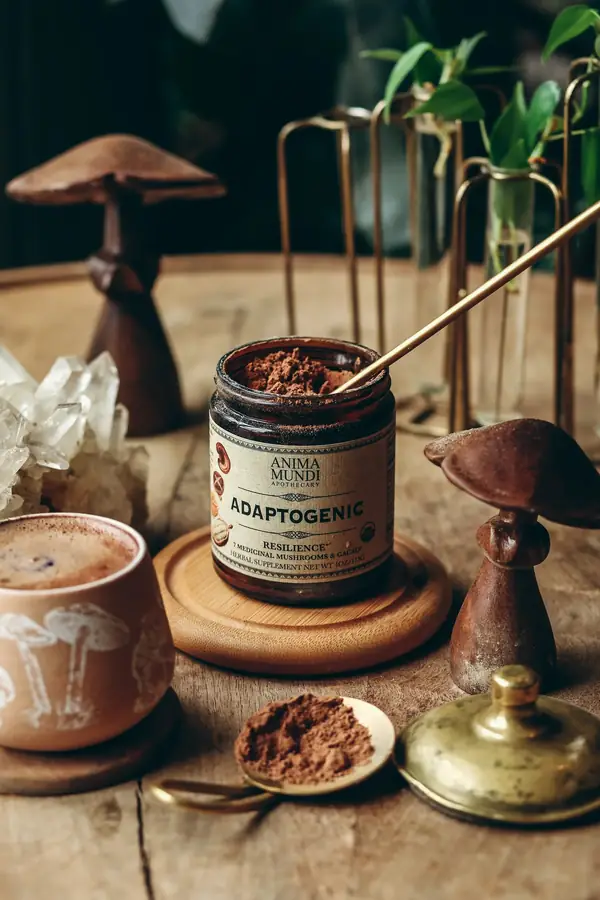
View the current label, price, shipping, and return conditions.
Why the Drop Format Deserves Its Own Conversation
"Where would you keep it?" my sister asked. An ordinary question, but a useful one. A format becomes part of your day through details like that.
It affects where you keep something, how you read its directions, and whether it feels natural beside the rest of your routine.
For someone who already enjoys botanical products, drops may feel approachable.
For someone who has never used them, the first step is simply to read the panel carefully.
A glass dropper does not make a product more effective by itself. It does not establish faster absorption or a stronger result.
The practical appeal is the format itself: a liquid product you can evaluate against your own preferences.
Maybe you keep a small shelf for teas and botanical ingredients. Maybe you like having the current directions in one place. Maybe you prefer a product you can inspect without arranging an elaborate new routine.
Those details can matter to a shopper.
They are ordinary details... and ordinary details often decide whether a purchase feels useful in daily life.
Before ordering, look at where you would store the bottle. Think about whether that place follows the label’s storage directions and keeps it away from children.
Then think about how you would use it according to the current instructions.
Do not borrow quantities from a review. Do not assume that the dropper from another product holds the same amount.
A customer can tell you what they did. Only the relevant directions tell you how the product is labeled for use.
This page also avoids calling the bottle a month’s supply. Bottle size and days of use are different pieces of information.
The schedule matters. So do serving directions. Check them where you buy.
That approach keeps the format easy to understand without making it carry a claim it has not earned.
If liquid botanicals already fit your preferences, Cerebrum Tonic may be worth adding to your comparison list for focus support.*
If they do not, you have learned something useful before placing an order.
A good next step should fit the person taking it. That starts with simple questions you can answer from the real product in front of you.
*Individual results vary.
Without Boring You With the Science... Here Is What Matters
I wanted my notes to be useful when you reached the shopping decision. You should be able to understand the research without spending your afternoon untangling every technical phrase.
Those terms can sound technical until you connect them with the questions behind them.
Can participants learn material presented in a particular way? What can they recall after a delay? How do they handle competing information in a controlled task?
That is the accessible version.
A study does not have to measure your entire day to be useful. It has to make clear what it did measure.
The same principle should guide a commercial page.
When we say Cerebrum Tonic is designed to support focus, we are describing the product’s intended support role.* We are not announcing a proven new mechanism in your body.
There is no invented scientific phrase you need to memorize.
No diagram here establishes that a blend reaches a particular place or switches on a particular pathway.
The useful information is simpler: ingredients have identities, studies use defined preparations, and a finished formula needs its own evidence for finished-formula claims.
You can understand that without a laboratory background.
Imagine comparing two garden seed packets. Knowing the species matters. So do the conditions, the variety, and the instructions.
The picture on the front cannot do the work of every detail on the back.
Botanical shopping is different in many ways, but that habit of reading beyond the picture travels well.
Look for names you can identify. Read amounts when provided. Notice which statements concern tradition and which concern research.
Then look at how the seller describes the specific bottle.
You are building a chain of understanding, one link at a time.
If a link is missing, ask about it. There is no need to fill the space with a phrase that only sounds scientific.
This is how the page can stay direct and commercial while keeping the claims understandable.
The formula is there to consider for support.* The ingredient studies are there to explain the research interest. Your own circumstances decide whether the purchase makes sense.
That is all you need to know before moving from the science section to the customer section.
*Individual results vary.

What Real Customer Words Add to the Picture

Then we turned to the customer words. "Read what each person actually says," my sister suggested. You can learn about an experience while keeping your own expectations in view.
A study defines a question and a comparison. A review gives you a person’s words about an experience.
Both can be interesting. They do not answer the same questions.
The following quotations come directly from the supplied product wiki. The wording is preserved, including the context in which other products were mentioned.
The record identifies them as five-star verified-buyer reviews from the seller’s Judge.me widget.
For that reason, the date shown beside the group is the retrieval date: October 31, 2026. It is NOT the day each customer wrote the review.
That distinction keeps the customer words usable without inventing a detail.
Read them for the kind of information a review can supply: what a shopper noticed, what they chose to mention, and how they described their own routine.
Do not read them as a forecast.
The most useful review is often the one you can understand in context.
If somebody mentions several products, keep those products in view. If somebody writes about taste, let the words remain about taste.
There is no need to turn every sentence into a performance claim.
There is also no need to pretend a star rating is a controlled result. It is a customer-feedback measure from the seller’s review system.
That can matter to a shopper who wants to see actual customer language before looking at the offer.
It still belongs beside the label and the practical terms.
You are allowed to find a review appealing without asking it to settle the whole decision.
Here are the exact words.


I'm 73 years young and still very active. I use a full eye dropper of Cerebrum Tonic in my smoothie each morning. Along with the Adaptogen tonic and the Rose powder it enhances the taste and, for me, helps me get thru an otherwise routine day with a pep in my step and energy to spare.

Part of my morning routine — Promotes mental clarity and enhances memory and recall.

Best matcha — Best quality and taste
Review record retrieved October 31, 2026; individual review posting dates were not supplied. Mark mentions other Anima Mundi products; his words do not isolate the effect of Cerebrum Tonic. Liz’s wording concerns matcha and is not evidence of a focus benefit.
*Individual results vary.
Read the Review... Then Return to YOUR Routine
I could see how easy it would be to borrow a reviewer’s whole experience. "That sounds like my morning," you think, and suddenly their story feels almost like yours.
Someone sounds like you. They mention a familiar age, a familiar habit, or an ordinary detail from their day.
Suddenly you can imagine the same sentence coming from your own kitchen.
That is human. It is also the moment to bring the decision back to your own circumstances.
You have your own routine, your own preferences, and your own reasons for considering botanical support.
A review can help you picture the format. It cannot establish suitability for you.
Use it as one piece of the purchase conversation.
What do you still want to know? The complete panel? The current price? Whether the seller accepts returns under the circumstances that matter to you?
Those are questions a star rating cannot answer.
Write them down before you move to checkout. A short list is enough.
The point is to make your next step easier, not to turn a simple purchase into a research project.
For example, your list might contain three lines: “Read directions.” “Check total.” “Read return policy.”
That already covers more practical ground than rereading a favorite review five times.
If you take anything daily, add a label check with a qualified professional.
You do not need to explain your whole life to a product page. You need to bring the right information to the people and documents that can answer your questions.
Cerebrum Tonic is a commercial option for botanical cognitive support.* It may interest you for several reasons: the blend, the liquid format, or the brand’s botanical focus.
Let those reasons stay clear.
A good purchase decision can be calm and enthusiastic at the same time.
You can like the idea, inspect the details, and choose whether to continue... all without turning another customer’s words into a promise about yourself.
That is the kind of confidence worth taking to the offer.
It comes from understanding your choice, not predicting your outcome.
*Individual results vary.

Can You Picture Yourself This Time Next Month...?
"Picture your own kitchen," my sister said. So I did: an ordinary morning a month from now, with a place for reading and fewer interruptions within reach.
The chair by the window is ready. The book you meant to start is already on the table. Your phone is somewhere it will not interrupt every other paragraph.
You have made room for the things you say matter to you.
A conversation that does not feel rushed. A letter you actually sit down to write. A recipe you want to try because it sounds enjoyable.
No dramatic transformation is required for that picture to be worth wanting.
If you decide to explore Cerebrum Tonic, imagine it as an optional part of that routine for focus support.* A bottle with directions you have read, a place you have chosen, and a cost you understand.
The picture does not promise a change in test scores, recall, or everyday performance.
It gives the purchase a practical setting.
That matters because a product can look appealing in an advertisement and feel awkward when it arrives in a busy house.
Where will it go? Will the directions be easy to find? Does the routine fit the way you actually live?
Ask those questions now, while the choice is still simple.
You might decide that a botanical drop format belongs naturally beside your existing habits. You might decide that you want to read more first.
Either way, you can use the next month to make your day more deliberate.
Start with one protected space of time. Ten minutes with a book. A phone-free conversation. A table cleared for something you want to finish.
The length is your choice. The purpose is to give the activity a place.
Then consider the optional support you want around it.*
The future picture should feel like YOUR life. Your cup. Your chair. Your way of choosing what gets your attention.
That is more compelling than a borrowed success story because it begins with something you can actually arrange.
And if the botanical option fits, you can explore it without asking it to carry the whole picture.
*Individual results vary.
The Routine Should Be Easy Enough for a Busy Tuesday

I wrote *a busy Tuesday* at the top of the next page. You know the kind: small errands, a conversation running long, and a routine that needs to fit around real life.
Someone calls. An errand takes longer. The laundry needs moving. A delivery comes while you are halfway through the thing you meant to finish.
That is the day your routine needs to fit.
So keep it simple from the start.
Choose one place for the items you use. Put the directions where you can read them. Avoid adding several new products at once just because an advertisement makes a full shelf look appealing.
One clear decision is easier to understand than five overlapping experiments.
If you choose botanical support, follow the actual directions rather than designing a schedule from the headline.*
If you do not choose it, keep the rest of the routine. The quiet reading time and the regular place for keys were useful ideas before any product entered the story.
There is a practical advantage in knowing which part of your plan does which job.
The notebook holds the list. The hook holds the keys. The clear table holds the paperwork. A botanical supplement has a different support role.*
When those roles are clear, you are less likely to expect one object to solve every inconvenience.
You are also more likely to notice whether the plan fits.
Is the bottle in an appropriate place? Do you like the format enough to follow the label? Is the purchase still comfortable within your budget?
Those are ordinary questions with useful answers.
You do not need a special tracking system. If you like a notebook, use one. If you do not, avoid creating another task you will resent.
A short note about your routine can be enough to keep the choice grounded.
And give the enjoyable activity the best place in the plan.
The book, the conversation, the garden project, the music practice... those are the reasons for wanting to stay mentally engaged.
The product belongs around those reasons, not at the center of every thought about your day.
That is how a commercial purchase can stay practical after the page is closed.
*Individual results vary.

A Better Way to Compare the Botanical Shelf
With the notebook open, I asked my sister what she would compare first. "The actual label," she said. A sensible place for you and me to begin too.
One brand talks about tradition. Another leads with laboratory language. A third shows a long row of stars before you reach the ingredient list.
How do you compare them without spending the rest of the afternoon scrolling?
Use the same questions for each.
First: what exactly is the product? A liquid botanical blend is a different format from a brewed drink. Compare the format you actually want to use.
Third: what kind of evidence is cited? An ingredient study, a seller description, and a finished-product trial are different sources.
Fourth: what are you being asked to pay? Look at the complete order total, not only the number beside the bottle.
Fifth: what happens if you need help with the order? Find the contact route and read the applicable terms.
That is a manageable comparison.
You do not need to rank every plant on the internet. You need to understand the products that might actually fit your preferences.
Cerebrum Tonic belongs on that list if you are interested in its liquid botanical format and focus-support positioning.*
The supplied record gives a specific seller, bottle size, price snapshot, and review source.
Those are useful starting details.
The ingredient studies in this feature give another kind of context. They explain why particular plants attract research attention, while leaving finished-product questions where they belong.
When a competing page gives you a larger promise, ask whether it gives you a stronger source.
The size of the type is not the size of the evidence.
Nor is the number of decorative seals a substitute for the actual information behind them.
A clear comparison can still lead to an enthusiastic choice. In fact, enthusiasm is easier to enjoy when you know what you have chosen.
You are buying a defined product for a defined reason.
That is the goal of the next step: move from a page full of possibilities to an offer you can inspect with confidence.
*Individual results vary.
What We Can Say About Quality... and What to Check

My sister tapped a note about quality. "What can you actually check?" That question brought me back to the panel and the information a seller can supply.
Start with the product name and seller. Then read the current ingredient panel and directions.
If you want manufacturing or testing documentation, ask for the documentation that applies to this exact product.
The supplied record does not establish a third-party testing program, a GMP certification for the finished formula, or a “zero fillers” claim.
This feature does not add those badges to make the offer look stronger.
You can still evaluate the product on the information that is available.
The format is clear. The named botanicals are clear. The seller is identified. There is an email route for questions.
That gives you a place to begin.
Be specific when asking for more. “Can you provide the current complete panel?” is easier to answer than “Is it good?”
“Which return conditions apply to an opened product?” is clearer than “Can I shop confidently?”
Good questions save time for everyone.
They also help you distinguish the information you need from the information that simply sounds reassuring.
A photograph of a clean room cannot tell you which batch was tested. A decorative emblem cannot tell you what a policy covers.
If that information is important to your decision, ask for it directly.
You are not being difficult. You are connecting a purchase to the details that matter to you.
Some shoppers care most about the format. Others want a full panel before comparing price. Others need to discuss the formula with a professional first.
The order of those steps can be personal.
What should remain clear is the source of each answer.
The seller supplies product information. Research publications describe their own studies. Customer reviews describe customer experiences.
This commercial feature brings those pieces together so you can decide whether to continue to the current offer.
It does not replace the documents behind them.
If the product interests you for mental clarity support, take that interest to the next practical question rather than filling the gap with an assumption.*
*Individual results vary.

Your Questions Deserve Straight Answers
Before you reach the offer, I want to clear the questions my sister kept bringing back to the table. You deserve answers you can use when you decide.
Is this an endorsement by a clinician?
No clinician endorsement is presented. This page is a paid commercial feature written under an editorial-team byline.
Are the people in the pictures customers whose results are reported here?
The scenes are illustrative. They do not document product use or outcomes, and the people pictured are not the authors of the customer reviews.
That equivalence has not been established. The studies discussed specific ingredient preparations, not a clinical trial of Cerebrum Tonic.
Does a five-star review tell you how you will respond?
It tells you how one customer rated an experience. Your own response may differ.*
Can the product replace the rest of a daily routine?
The offer is for optional botanical support.* Regular meals, rest, enjoyable activity, and practical organization still deserve their own place.
Do you need to stop drinking coffee?
This page does not give you a personal instruction to do so. The five reasons explain why relying on extra coffee alone leaves other questions unanswered.
Can you use a customer’s serving description as directions?
Use the current product label. A review is not a set of instructions for another person.
Is there a guaranteed timetable?
No personal result or timetable is promised here. The study durations describe research, not a schedule of outcomes for this formula.
Can you decide after checking the seller’s terms?
Yes. That is the practical point of the availability button: reach the current offer, inspect the details, and choose whether it fits.
A direct answer does not have to be dramatic to be useful.
It just has to leave you knowing what comes next.
If you still have a product-specific question, contact the seller before ordering. If the question concerns suitability alongside anything you take, show the full panel to a qualified professional.
Then bring the decision back to your own routine and budget.
*Individual results vary.
The Offer: One Clearly Identified Bottle
I wrote the recorded offer plainly in the notebook: one two-ounce bottle of Cerebrum Tonic from Anima Mundi Herbals at $26. You can compare that snapshot with the current seller page.
That is the supplied snapshot, not a promise that the current checkout will be identical.
Check the live price, the size you select, and the complete total before payment.
The product is designed for botanical cognitive support, with focus among the seller’s stated aims.*
If that is the category you want to explore, this is a concrete offer to inspect.
No invented bundle is needed. No imaginary original price. No claim that you must buy several bottles to make the choice worthwhile.
Start with the product you actually intended to consider.
Then look at the total in front of you.
Shipping and tax can affect what you pay. Any optional recurring arrangement should be something you read and choose deliberately on the seller’s current page.
Do not infer a subscription from this feature, and do not infer that every option at checkout has the same conditions.
A single clear purchase is easier to evaluate when you understand what it includes.
Think about your budget in the same practical way you thought about the format.
Does the price fit comfortably? Are you choosing it because the product interests you, rather than because a page made the decision feel urgent?
Those are good questions to answer before entering payment information.
You can be excited about trying a botanical approach and still take a moment to read the order summary.
That moment is part of shopping well.
The bottle will not become a better fit because you skipped a term, and the decision will not become less yours because you inspected the details.
If the offer matches what you want, continue with a clear understanding of the product you are selecting.
If something differs from the snapshot, let the live information guide the choice.
The purpose of the button is to move you toward the seller’s current offer... where the exact transaction can be reviewed.
*Individual results vary.
View the current label, price, shipping, and return conditions.

Guarantee and Returns: Read the Terms That Apply to YOUR Order
"And if there is a problem with the order?" my sister asked. A fair closing question. You deserve to see the applicable terms before deciding to buy.
The supplied product record does not establish a money-back guarantee or a refund window for this bottle.
No number of days is promised here.
Before ordering, read the seller’s current return policy and ask about any condition that matters to you.
Can an unopened item be returned? Are opened items eligible? What must you do if a bottle arrives damaged?
Those are practical questions with practical consequences.
They deserve real answers from the seller’s applicable policy, rather than a reassuring phrase in an advertisement.
If the terms are clear and acceptable to you, you can choose with that information in hand.
If they are unclear, send a concise question before payment.
The verified contact retained in this page’s product record is [email protected]. No public telephone number is supplied in that record.
The listed Brooklyn shop address is 31 Noble St, Brooklyn, NY 11222. A shop address should not be assumed to be a return destination without instructions.
Keep any relevant reply with your order confirmation.
That makes later questions easier to resolve because the information is attached to the transaction you actually made.
The same habit helps with any online purchase. Save the order number. Check the item selected. Keep the terms you relied on.
There is nothing complicated about it.
You are simply making the commercial invitation concrete: this product, this total, these terms, this contact route.
That is a more useful kind of reassurance than an invented guarantee seal.
If Cerebrum Tonic fits the botanical support routine you want to explore, continue with the same clarity you brought to the ingredient section.*
Read. Check. Decide.
The next step can be straightforward without being rushed.
*Individual results vary.

Bring Your Attention Back to What You Want to Enjoy
I think back to the greenhouse now: the glass overhead, the amber bottle turning in my hand, and my sister asking what I actually wanted. You can bring that question to your own day.
The name that would not come. The keys put down during a message. The afternoon that seemed to call for another cup before you had even thought about it.
You do not have to turn those moments into a dramatic story to want a better routine.
You can start with something much more ordinary.
A clear place for the things you carry. A little protected time for reading. A conversation you let yourself finish before looking at the phone.
Then, if it suits your preferences, a botanical option designed to support focus alongside those habits.*
That is the invitation behind Cerebrum Tonic.
An identifiable blend. A liquid format. Ingredient research worth understanding. Customer words you can read in context.
And a seller’s offer you can inspect before you decide.
You have seen why extra coffee alone does not answer every question about a focus routine.
The amount can be unclear. The timing can matter. The immediate feeling can become the wrong yardstick. A single habit can be asked to do too much.
Most of all, the question you actually care about deserves to be named.
What do you want more room for in your day?
Reading for pleasure? A creative project? Learning something because it interests you? Being fully present with somebody whose company you enjoy?
Let that answer guide the routine.
A purchase should fit around the life you want to participate in. It should not require you to imagine becoming a different person by next month.
You can keep your own pace, your own preferences, and your own reasons for choosing.
If a liquid botanical blend sounds like the right support category to explore, the next step is ready below.*
Check the current Cerebrum Tonic offer. Read the panel. Confirm the price and terms.
Then make the choice that fits you.
*Individual results vary.

View the current label, price, shipping, and return conditions.
P.S. Interested in a botanical alternative to the automatic extra cup? Start with the current Cerebrum Tonic label and offer. The recorded two-ounce price is $26; the live seller page controls the transaction.
P.P.S. Ingredient research is not a finished-product guarantee. Choose a routine that fits your life, and check suitability with a qualified professional when appropriate. *Individual results vary.



ADVERTISEMENT · Paid commercial feature. Written by an editorial team, not a clinician endorsement. Research discussed below concerns specific ingredient preparations, not a clinical trial of Cerebrum Tonic. All people and scenes in the reused imagery are illustrative.
Our money-back guarantee
Anima Mundi's Terms, in Plain Words
Anima Mundi is a real Brooklyn apothecary with a storefront on Grand Street you can walk into; the tonic ships from that same address.
The 16-ounce bottle holds about 32 dropper servings of the tonic, and the label prints the suggested use: one dropper, once or twice a day, in water or tea.
Unopened bottles can be returned within the window printed on the seller's policy page; the team answers at the address printed on the contact page.
Advertising disclosure: This is a commercial feature. The Botanical Desk may earn a commission from purchases through this page. The editorial team is not presented as a credentialed health professional. Illustrative people and scenes are not customer evidence. Quoted reviews are reproduced from the supplied product record. Ingredient research does not establish outcomes for the finished product. *Individual results vary.